


Magnetic products are commonly used for holding and mounting, and many customers often wonder about the differences between rubber coated magnets and normal coated pot magnets. Let’s take a look at the key distinctions between these two types of magnets.
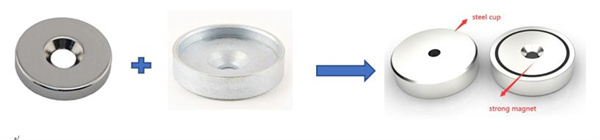
1. Different Composition
- Normal Coated Pot Magnets: These magnets are typically made from a strong magnet encased in steel parts.
- Rubber Coated Magnets: These magnets consist of powerful disc-shaped neodymium magnets, steel components, and a durable Santoprene rubber coating for added protection and flexibility.

2. Different Internal Design
- Pot Magnets: A pot magnet (or cup magnet) consists of a permanent magnet housed within a galvanized steel casing. This casing helps focus the magnetic field, especially around the edges, which can improve the overall strength of the magnet. This is similar to how rubber-coated magnets are designed.

- Rubber Coated Magnets: These magnets often use several small NdFeB (neodymium-iron-boron) magnets arranged in a pattern (e.g., N/S/N/S) within the steel base. The rubber coating provides additional durability and versatility, making it suitable for a broader range of applications.

3. Different Appearance
- Surface Coating:
- Normal Pot Magnets: These are typically coated in a metallic finish, such as nickel, zinc, or chrome, giving them a shiny, silvery appearance.
- Rubber Coated Magnets: These magnets have no metallic color and are fully encased in rubber. This coating can be customized to fit different shapes and sizes.
- Color Options:
- Normal Pot Magnets: The standard color is metallic, but black and white coatings are also available.
- Rubber Coated Magnets: Available in a variety of colors, including black, white, red, blue, yellow, and more. The color customization allows these magnets to fit into different aesthetic and functional requirements.
- Attaching Surface:
- Normal Pot Magnets: These can leave scratches or marks on sensitive surfaces.
- Rubber Coated Magnets: The Santoprene rubber coating ensures no scratches or residue are left behind, making them ideal for use on delicate surfaces or in situations where preserving the integrity of the material is important.

4. Different Performance
Under typical conditions, steel pot magnets and rubber-coated magnets perform similarly. However, when exposed to extreme environments such as water, oil, corrosive substances, or very high or low temperatures, there are notable differences:
- Normal Coated Pot Magnets: Magnets with nickel, zinc, or chrome coatings are prone to rusting and peeling under harsh conditions.
- Rubber Coated Magnets: The rubber layer offers superior protection against water, oil, and corrosion, making them a better choice for use in extreme environments. Their durability allows them to perform well even in tough conditions, such as extreme heat or cold.

Conclusion
Rubber-coated magnets provide enhanced performance and protection, especially in demanding conditions, while normal coated pot magnets are more suitable for basic applications with less exposure to harsh environments. Rubber-coated magnets also offer additional benefits like a wider range of colors, better surface protection, and increased versatility in various use cases.


